The construction industry has witnessed significant technological advancements in rebar processing equipment. When comparing spring coiling machine vs traditional rebar processing methods, the differences in efficiency, precision, and cost-effectiveness become immediately apparent. Modern spring coiling machines represent a leap forward in automation and productivity, offering compelling advantages over manual and semi-automated traditional approaches.
Understanding Traditional Rebar Processing Methods
Traditional rebar processing methods have served as the backbone of construction projects for decades. These methods typically involve manual labor combined with basic mechanical tools for bending, cutting, and shaping reinforcement bars. Workers use manual benders, cutting torches, and simple forming tools to create various rebar configurations needed for concrete reinforcement.
The traditional approach requires significant physical effort and skilled craftsmanship. Workers must manually measure, mark, bend, and cut each rebar piece according to project specifications. This process is time-consuming, labor-intensive, and prone to human error. Despite these limitations, traditional methods remain in use due to their low initial investment and familiarity among construction teams.
The Spring Coiling Machine Revolution
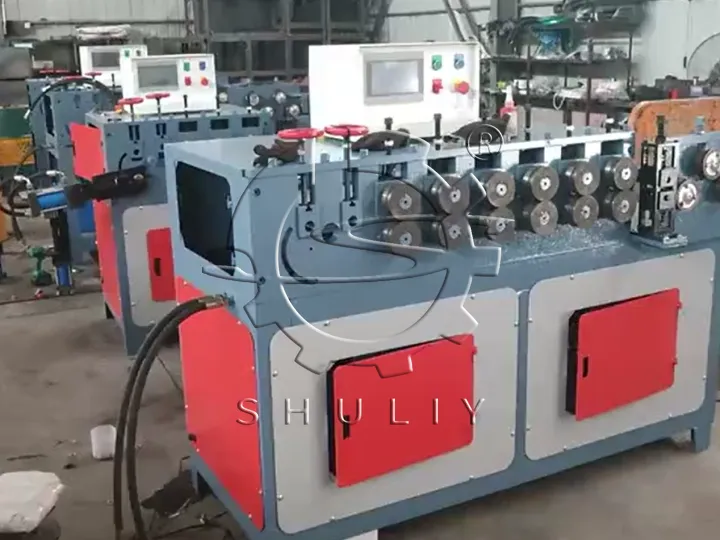
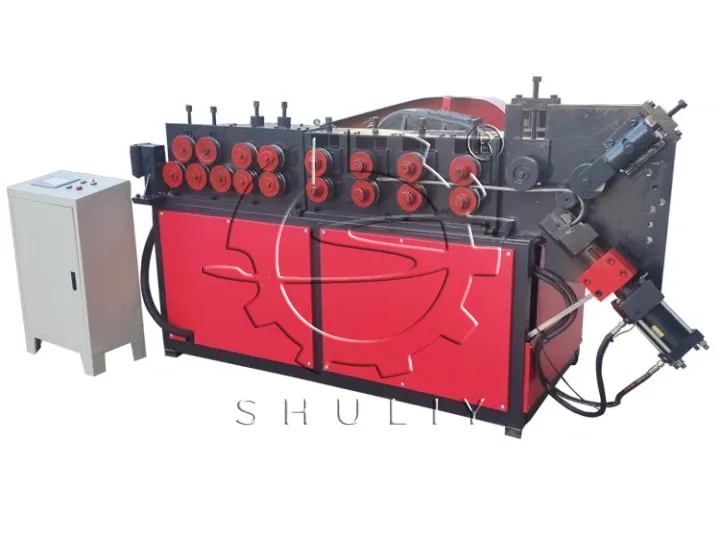
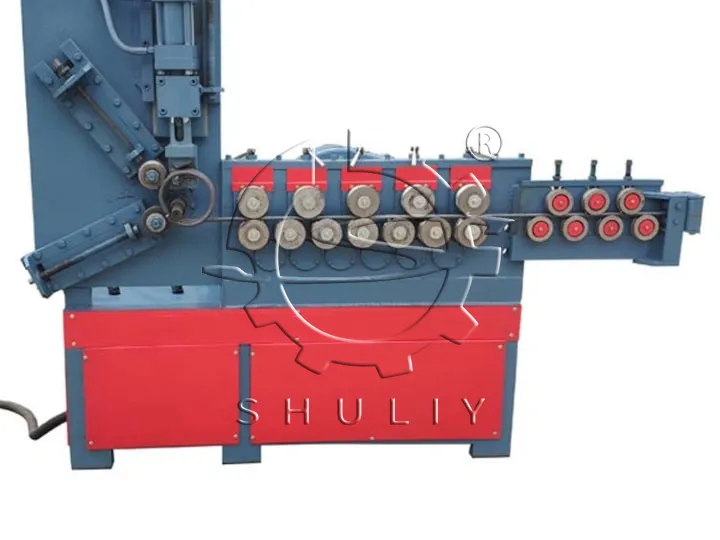
A spring coiling machine is an automated CNC machine that integrates straightening, forming, and cutting functions into a single, efficient system. These machines can process rebar diameters from 3-25mm with forming diameters ranging from 50-3000mm, achieving processing speeds of 16-30 meters per minute with remarkable precision of ±0.2mm.
The key innovation lies in the automated CNC control system. Once parameters are programmed, the machine operates continuously with minimal human intervention. This automation transforms rebar processing from a labor-intensive manual task into a streamlined, high-precision manufacturing process. The spring coiling machine can produce spiral stirrups, circular rings, and complex rebar shapes with consistent quality and high output rates.

Efficiency Comparison: Speed and Productivity
When evaluating spring coiling machine vs traditional rebar processing, efficiency stands out as the most significant differentiator. Traditional methods typically produce 20-30 pieces per hour depending on complexity and worker skill. In contrast, spring coiling machines can process 16-30 meters of rebar per minute, equivalent to hundreds of pieces per hour.
This dramatic increase in productivity translates directly to project timelines. Large-scale infrastructure projects that would require weeks of manual rebar processing can be completed in days with automated spring coiling machines. The continuous operation capability means machines can run 24/7 with minimal supervision, further accelerating project completion.
| Aspect | Traditional Methods | 스프링 코일링 기계 |
|---|---|---|
| 처리 속도 | 20-30 pieces/hour | 16-30 meters/minute |
| 작업 인력 필요량 | 3-5 workers | 1인 작업자 |
| Consistency | Variable | ±0.2mm precision |
| Setup Time | Minimal | Programming required |
| Operating Cost | High labor cost | Lower per-unit cost |
Precision and Quality Consistency
Quality control represents another critical advantage of spring coiling machines. Traditional methods rely heavily on worker skill and experience, resulting in inevitable variations in finished products. Manual bending can produce inconsistent angles, diameters, and shapes that may not meet strict engineering specifications.
Spring coiling machines maintain consistent precision within ±0.2mm across all production runs. This level of accuracy ensures that every rebar piece meets exact engineering requirements, eliminating quality variations that could compromise structural integrity. The automated process also reduces material waste from errors and rework, further enhancing cost-effectiveness.


Cost Analysis: Investment vs. Return
The initial investment comparison between spring coiling machine vs traditional rebar processing reveals an interesting dynamic. Traditional methods require minimal upfront investment in basic tools, making them attractive for small-scale operations. However, ongoing labor costs, lower productivity, and higher material waste result in higher long-term expenses.
Spring coiling machines represent a significant capital investment but offer rapid return on investment through increased productivity, reduced labor requirements, and minimized material waste. For medium to large-scale construction projects, the cost per processed rebar piece is substantially lower with automated machines, making them the economically superior choice.
Labor Requirements and Safety Considerations
Traditional rebar processing demands significant manual labor, exposing workers to repetitive strain injuries, cuts, and other occupational hazards. The physical nature of manual bending and cutting creates safety risks that require constant attention and protective equipment.
Spring coiling machines dramatically reduce labor requirements, typically needing only one operator to monitor the automated process. This not only reduces labor costs but also minimizes workplace injuries. The enclosed operation of modern machines provides better safety protection, with emergency stops and safety interlocks protecting operators from moving parts.
Making the Right Choice for Your Project
The decision between spring coiling machine vs traditional rebar processing depends on project scale, budget, and timeline requirements. For small projects with limited rebar processing needs, traditional methods may remain cost-effective. However, for medium to large-scale construction projects, infrastructure developments, and operations requiring consistent high-volume production, spring coiling machines offer undeniable advantages.
Consider factors such as project duration, rebar volume requirements, quality specifications, and available labor when making your decision. The long-term benefits of automation often outweigh initial investment concerns for serious construction operations.
For more information about spring coiling machines and how they can benefit your construction projects, contact our team for expert consultation and customized solutions. We also offer related equipment including rebar straightening machines and steel bar bending machines to complete your rebar processing workflow.