スプリングコイリングマシンの技術仕様の説明

この投稿を評価してください

When investing in rebar processing equipment, understanding spring coiling machine technical specifications is essential for making informed decisions. These automated CNC machines come with various specifications that determine their capabilities, suitability for different applications, and overall performance in construction projects.

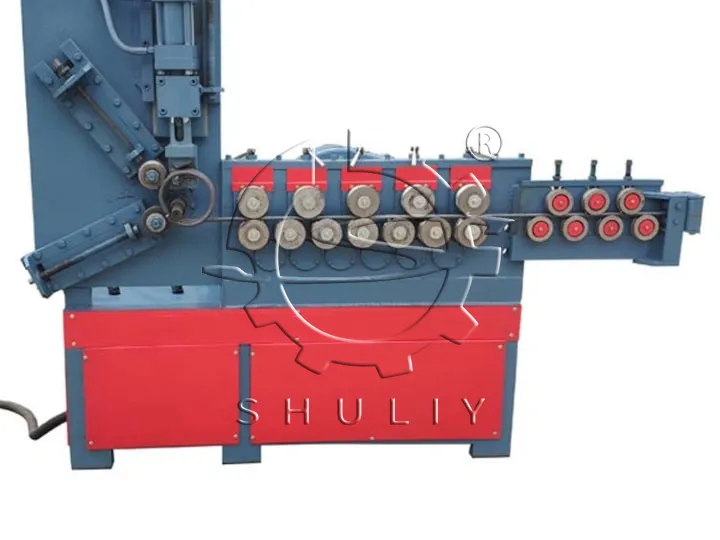
スプリングコイリングマシン
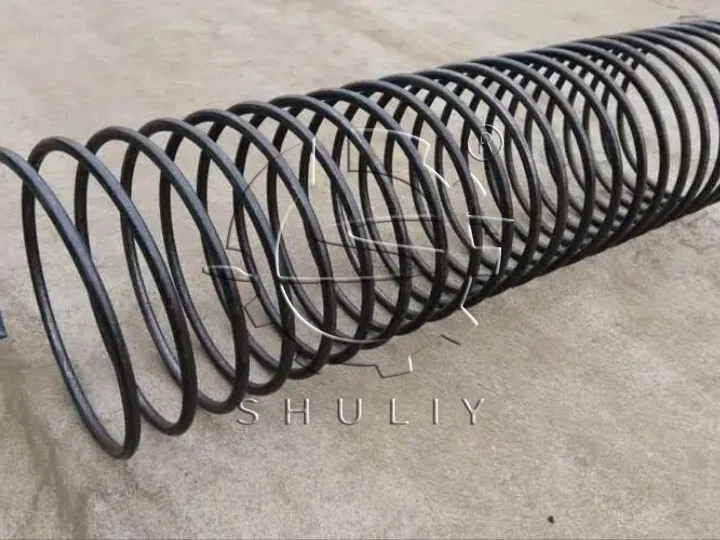
スプリングコイリングマシン

Core Technical Parameters Overview

Spring coiling machines are characterized by several key technical parameters that define their processing capabilities and performance characteristics. These specifications include rebar diameter range, finished ring diameter, processing speed, precision accuracy, motor power requirements, and physical dimensions.

Understanding these parameters helps construction professionals select the appropriate machine model for their specific project requirements. The right balance of specifications ensures optimal productivity, cost-effectiveness, and quality output for your rebar processing operations.

Rebar Diameter Processing Range

The rebar diameter processing range is perhaps the most critical specification to consider when selecting a spring coiling machine. Different models are designed to handle specific diameter ranges, typically categorized from 3mm up to 25mm. This specification determines the versatility of the machine and its suitability for various construction applications.

Smaller models (3-6mm, 6-10mm) are ideal for light reinforcement applications, while larger models (16-20mm, 22-25mm) handle heavy-duty structural reinforcement. The processing range directly impacts the machine’s ability to handle different project requirements, making it essential to match this specification with your typical rebar usage.

モデルRebar Diameter RangeTypical Applications
3–63–6mmLight reinforcement, small stirrups
6–106–10mmMedium reinforcement, standard stirrups
8–128–12mmGeneral construction, structural reinforcement
10–1410–14mmHeavy reinforcement, bridge components
16–2016–20mmInfrastructure projects, large structures
22–2522–25mmHeavy infrastructure, major construction
rebar diameter processing ranges by model and applications

Finished Ring Diameter Capabilities

The finished ring diameter specification defines the range of circular or spiral shapes that the machine can produce. This parameter typically ranges from 50mm to 3000mm, depending on the model. The ability to produce various ring diameters is crucial for meeting diverse engineering requirements across different construction projects.

Smaller ring diameters (50-1000mm) are suitable for standard reinforcement applications, while larger diameters (up to 3000mm) accommodate specialized infrastructure projects. The flexibility in ring diameter production allows construction companies to use a single machine for multiple applications, enhancing equipment utilization and cost-effectiveness.

Processing Speed and Productivity

Processing speed is a critical specification that directly impacts productivity and project timelines. Spring coiling machines typically operate at speeds ranging from 16 to 30 meters per minute, depending on the model and rebar diameter being processed. This speed specification determines how quickly the machine can transform straight rebar into finished spiral or circular shapes.

Higher processing speeds translate to increased production capacity and shorter project completion times. The continuous operation capability allows machines to maintain consistent output throughout extended production runs. When evaluating processing speed, consider both the maximum speed and sustainable operating speed for your typical applications.

Productivity calculations should account for setup time, material loading, and operator efficiency. Real-world production rates may vary from theoretical maximum speeds depending on operational factors and project requirements.

Precision and Accuracy Specifications

Precision specifications are fundamental to ensuring structural integrity and meeting engineering requirements. Spring coiling machines typically maintain working errors within ±0.2mm, demonstrating exceptional accuracy in rebar forming operations. This level of precision is essential for projects requiring strict adherence to engineering specifications.

The precision specification encompasses various aspects of the forming process, including diameter accuracy, spacing consistency, and dimensional uniformity across production runs. Consistent precision ensures that every rebar piece meets exact requirements, eliminating quality variations that could compromise structural performance.

Advanced CNC control systems contribute significantly to maintaining precision levels. The automated nature of the process minimizes human error and ensures consistent output quality across extended production runs.

Motor Power and Energy Requirements

Motor power specifications indicate the energy requirements and processing capability of spring coiling machines. Power requirements typically range from 4kw for smaller models up to 15kw for the largest models. Understanding power requirements is essential for ensuring adequate electrical infrastructure and calculating operational costs.

Higher motor power generally correlates with increased processing capacity and the ability to handle larger rebar diameters. However, power consumption must be balanced against actual usage patterns to optimize energy efficiency. Consider both peak power requirements and average consumption when evaluating operational costs.

モデルモーター出力Processing CapacityEnergy Efficiency
3–64kwLight dutyHigh efficiency
6–105.5kwMedium dutyGood efficiency
8–127kwStandard dutyStandard efficiency
10–147kwHeavy dutyStandard efficiency
16–2011kwHeavy industrialModerate efficiency
22–2515kwHeavy industrialModerate efficiency
motor power specifications and processing capacity by model

Physical Dimensions and Weight

Physical dimensions and weight specifications are crucial for installation planning and facility layout considerations. Spring coiling machine dimensions typically range from approximately 1.45 × 0.8 × 1.2m for smaller models to 2.3 × 0.9 × 1.7m for the largest models. Machine weights vary from 480kg to 1350kg depending on the model and capacity.

Adequate floor space must be allocated for the machine itself, plus additional space for material handling, operator access, and maintenance activities. Weight considerations are important for floor load capacity and installation requirements. Some models may require reinforced flooring or special mounting arrangements.

Transportation and installation logistics should be planned based on these physical specifications. Larger, heavier machines may require special handling equipment and professional installation services.

CNC Control System Features

The CNC control system is the technological heart of modern spring coiling machines, enabling automated operation and precise control over the forming process. Advanced control systems feature programmable parameters for ring diameter, spiral spacing, coil count, and cutting length, allowing for flexible production of various rebar configurations.

User-friendly interfaces simplify programming and operation, reducing training requirements and minimizing operator errors. Memory functions allow storage of frequently used programs, enabling quick setup for repeat orders. Real-time monitoring and diagnostic capabilities help maintain optimal performance and identify potential issues before they cause downtime.

Integration capabilities with other production management systems enhance overall operational efficiency. Some advanced models offer remote monitoring and control features, enabling management oversight and troubleshooting from off-site locations.

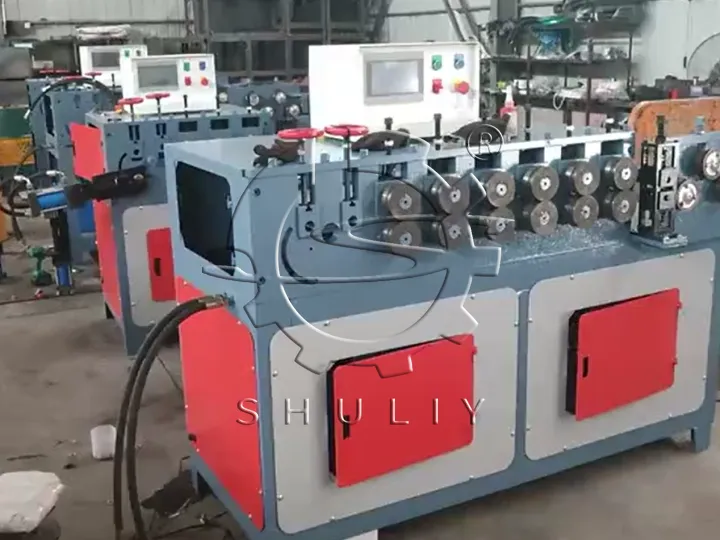
スパイラル鉄筋成形機
スパイラル鉄筋成形機

Hydraulic System Specifications

The hydraulic system provides the bending force necessary for forming rebar into precise shapes. Hydraulic specifications include system pressure, cylinder capacity, and flow rate, which determine the machine’s ability to process various rebar grades and diameters. Robust hydraulic systems ensure consistent performance across extended production runs.

Hydraulic system reliability is crucial for minimizing downtime and maintenance requirements. Quality components and proper maintenance ensure consistent performance and extended equipment life. The hydraulic system should be sized appropriately for the intended applications to avoid overloading or premature wear.

Safety features integrated into the hydraulic system include pressure relief valves, emergency stop capabilities, and overload protection. These features protect both the equipment and operators from potential hazards during operation.

Selecting the Right Specifications

Selecting appropriate spring coiling machine specifications requires careful analysis of your specific needs and operational requirements. Consider the range of rebar diameters you typically process, the volume of production required, and the precision standards your projects demand.

Balance initial investment against long-term productivity gains and operational cost savings. Higher-capacity machines with more advanced features represent larger investments but can provide significant returns through increased efficiency and reduced labor costs.

For expert guidance on selecting the right spring coiling machine specifications for your operations, contact our team. We provide comprehensive consultation to help you choose equipment that optimally meets your construction and rebar processing requirements. We also offer rebar straightening machines and steel bar bending machines for complete rebar processing solutions.