
Egal, ob Sie Bauunternehmer, Leiter einer Bewehrungsfertigungsanlage oder Planer eines Infrastrukturprojekts sind, das Verständnis von Springwickelmaschinen ist entscheidend, um Ihre Bewehrungsverarbeitungsprozesse zu optimieren. Dieser vollständige Leitfaden zu Springwickelmaschinen bietet umfassende Informationen über diese automatisierten CNC-Maschinen, die die Bewehrungsverarbeitung im modernen Bauwesen revolutioniert haben.
Was ist eine Spring Coiling Machine?
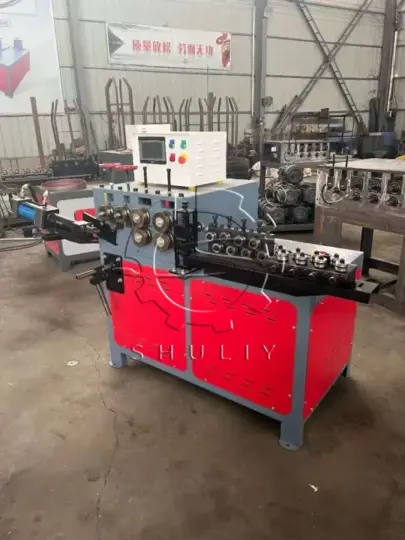
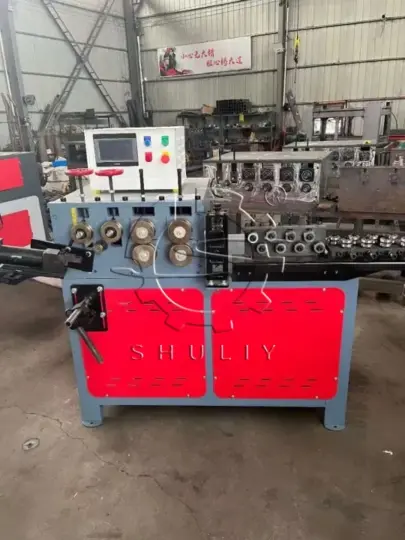
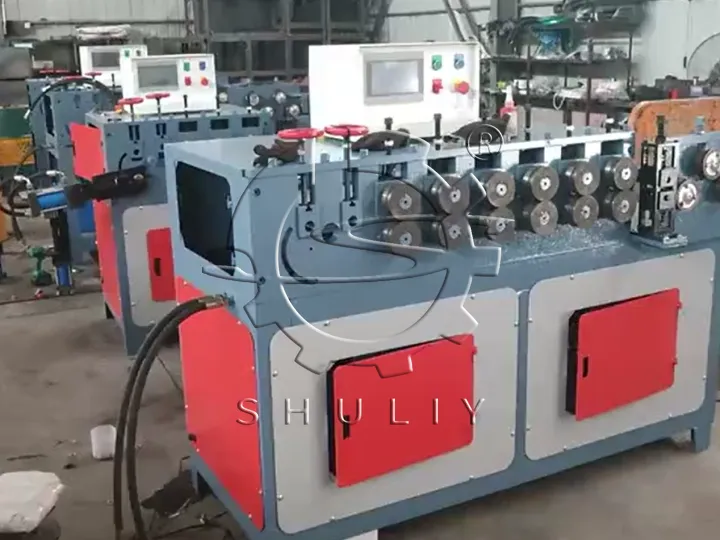
Eine Springwickelmaschine ist eine automatisierte CNC-Maschine, die Funktionen zum Entgraten, Formen und Schneiden in einem effizienten System integriert. Diese Maschinen sind dafür ausgelegt, Bewehrungsstäbe (Bewehrung) in verschiedene Formen zu verarbeiten, hauptsächlich Spiralbewehrungen und runde Ringe, mit außergewöhnlicher Präzision und Geschwindigkeit. Das Gerät kann Bewehrungsdurchmesser von 3-25 mm verarbeiten und fertige Ringe mit Durchmessern von 50-3000 mm herstellen.
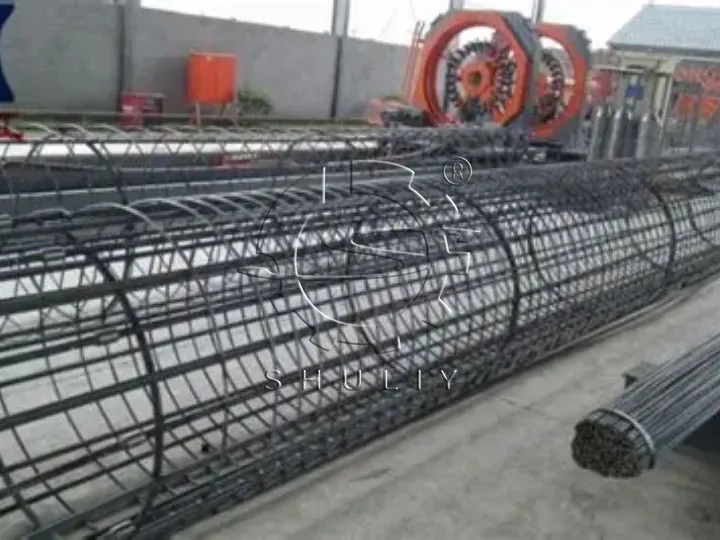
Der Begriff „Spring coiling“ bezieht sich auf die Fähigkeit der Maschine, spiralförmige Bewehrungskonfigurationen zu erstellen, die Spiralen ähneln. Diese Spiralbewehrungsteile sind wesentliche Komponenten in modernen Bauprojekten, insbesondere bei Pfahlfundamenten, Brückenpfeilern, Tunnelstützsystemen und anderen Infrastrukturprojekten, die hochfeste Bewehrung erfordern.
Funktionsprinzip der Springwickelmaschine
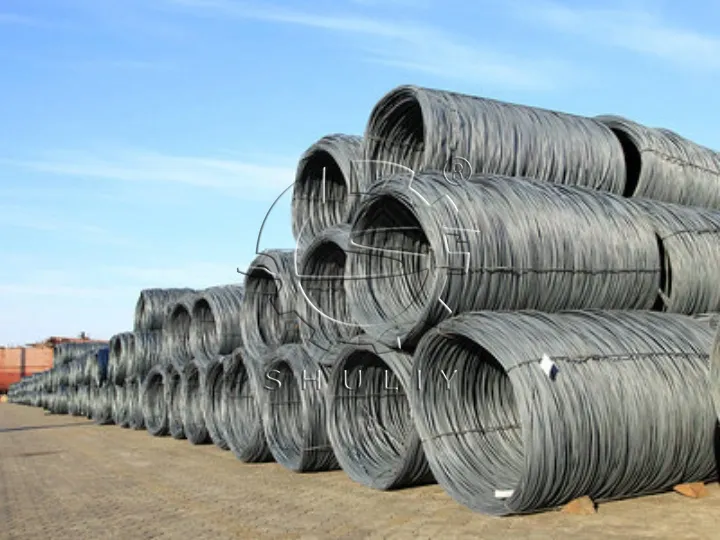
Das Funktionsprinzip einer Springwickelmaschine umfasst einen hochentwickelten automatisierten Prozess, der gerade Bewehrung in präzise geformte Spiral- oder Rundformen verwandelt. Der Prozess beginnt mit dem Zuführen der geraden Bewehrung in das Entgrat- und Biege-System, das eventuelle Biegungen oder Verformungen des Rohmaterials entfernt.
Nach dem Entgraten wird die Bewehrung automatisch zur Rundungseinheit geführt, wo sie entsprechend voreingestellter Parameter gebogen wird. Das CNC-Steuerungssystem stellt sicher, dass jeder Biegung genau den Spezifikationen für Durchmesser, Abstand und Anzahl der Windungen entspricht. Nach Erreichen der programmierten Länge schneidet die Maschine das fertige Stück automatisch ab und schließt den Produktionszyklus ab.
Dieser kontinuierliche Prozess arbeitet mit Geschwindigkeiten von 16-30 Metern pro Minute, wobei die Präzision innerhalb von ±0,2 mm gehalten wird. Die automatisierte Natur des Systems sorgt für gleichbleibende Qualität bei allen Produktionsläufen und minimiert menschliches Eingreifen sowie potenzielle Fehler.
Wichtige technische Spezifikationen
Das Verständnis der technischen Spezifikationen von Springwickelmaschinen ist entscheidend für die Auswahl der richtigen Ausrüstung für Ihre spezifischen Bedürfnisse. Diese Maschinen sind in verschiedenen Modellen erhältlich, die für unterschiedliche Bewehrungsdurchmesser und Produktionsanforderungen ausgelegt sind.
| Modell | Bewehrungsdurchmesser | Ringdurchmesser | Motorkraft | Geschwindigkeit | Gewicht |
|---|---|---|---|---|---|
| 3–6 | 3–6mm | 50–1000mm | 4kw | 16–25m/min | 480kg |
| 6–10 | 6–10mm | 50–800mm | 5,5kw | 16–25m/min | 560kg |
| 8–12 | 8–12mm | 50–1500mm | 7kw | 16–25m/min | 640kg |
| 10–14 | 10–14mm | 50–1800mm | 7kw | 16–25m/min | 690kg |
| 16–20 | 16–20mm | 50–2200mm | 11kw | 16–30m/min | 1150kg |
| 22–25 | 22–25mm | 50–3000mm | 15 kW | 16–30m/min | 1350kg |
Die wichtigsten Spezifikationen umfassen Verarbeitungskapazität, Präzisionsniveau, Automatisierungsgrad und Strombedarf. Hochwertige Modelle bieten größere Verarbeitungskapazitäten und schnellere Geschwindigkeiten, erfordern jedoch auch größere Investitionen und mehr Platz.
Herstellte Bewehrungsformen
Springwickelmaschinen sind vielseitige Geräte, die verschiedene Bewehrungsformen herstellen können, die für unterschiedliche Bauanwendungen erforderlich sind. Die wichtigsten Formen sind Spiralbewehrungen, runde Ringe und kundenspezifische Spiralformen, basierend auf Projektanforderungen.
Spiralbewehrungen sind die häufigste Ausgabe, mit kontinuierlichen Spiralformen, die in Pfahlfundamenten und Säulenkonstruktionen verwendet werden. Runde Ringe werden für spezielle strukturelle Anwendungen hergestellt, die präzise runde Verstärkungen erfordern. Die Flexibilität der CNC-Programmierung ermöglicht maßgeschneiderte Formen und Größen, um den einzigartigen technischen Anforderungen gerecht zu werden.
Anwendungen in Bauprojekten
Springwickelmaschinen finden breite Anwendung in verschiedenen Bauwesen, insbesondere bei Großprojekten der Infrastruktur. Die Hauptanwendungen umfassen den Hochgeschwindigkeitsbahnverkehr, bei dem Spiralpfahlsbewehrung für die Stabilität des Gleisbodens verarbeitet wird.
U-Bahn- und Tunnelbau sind stark auf diese Maschinen angewiesen, um Unterstützungbewehrungssysteme herzustellen. Photovoltaikprojekte verwenden Spiralbewehrung für die Bodenankerpfahlverarbeitung. Brücken- und Hochbauprojekte erfordern präzise runde Verstärkungskomponenten, die von Springwickelmaschinen effizient hergestellt werden können.
Der Bau von Fundamenten profitiert von der Massenproduktion spiralförmiger Bewehrungen, was eine gleichbleibende Qualität und eine Verkürzung der Bauzeiten gewährleistet. Die Vielseitigkeit dieser Maschinen macht sie unentbehrlich für moderne Bauprojekte, die eine hochvolumige, hochpräzise Bewehrungsverarbeitung erfordern.
Vorteile gegenüber herkömmlichen Methoden
Der Einsatz von Springwickelmaschinen bietet zahlreiche Vorteile gegenüber herkömmlichen Bewehrungsverarbeitungsmethoden. Der bedeutendste Vorteil ist die deutlich gesteigerte Produktivität, da Maschinen in der Lage sind, Hunderte von Stück pro Stunde zu verarbeiten, im Vergleich zu manuellen Methoden, die nur 20-30 Stück pro Stunde produzieren.
Präzision und Konsistenz stellen einen weiteren großen Vorteil dar. Während manuelle Verarbeitung unvermeidlich Variationen einführt, halten Springwickelmaschinen die Genauigkeit innerhalb von ±0,2 mm bei allen Produktionsläufen. Diese Konsistenz gewährleistet die strukturelle Integrität und reduziert Materialverschwendung durch Fehler.
Die Arbeitskosten werden erheblich reduziert, da ein Bediener den automatisierten Prozess steuern kann, der früher 3-5 Arbeiter erforderte. Der geschlossene Betrieb verbessert auch die Arbeitssicherheit, indem die Exposition gegenüber Schneid- und Biegegefahren verringert wird.
Auswahlkriterien und Überlegungen
Bei der Auswahl einer Springwickelmaschine müssen mehrere Faktoren berücksichtigt werden, um sicherzustellen, dass die Ausrüstung Ihren spezifischen Anforderungen entspricht. Die wichtigste Überlegung ist der Bereich der Bewehrungsdurchmesser, die verarbeitet werden sollen, da verschiedene Modelle unterschiedliche Durchmesserbereiche abdecken.
Produktionsvolumenanforderungen sollten die Wahl der Maschinenkapazität und -geschwindigkeit bestimmen. Hochvolumenbetriebe profitieren von größeren, schnelleren Modellen, während kleinere Betriebe möglicherweise mittlere Modelle als kosteneffizienter empfinden. Verfügbare Fläche und Stromversorgung müssen ebenfalls bewertet werden, da größere Maschinen mehr Platz und Strom benötigen.
Budgetüberlegungen sollten die Anfangsinvestition gegen langfristige Produktivitätsgewinne abwägen. Während Springwickelmaschinen eine bedeutende Kapitalinvestition darstellen, macht die Rendite durch erhöhte Effizienz und reduzierte Arbeitskosten sie wirtschaftlich tragfähig für die meisten ernsthaften Bauvorhaben.
Wartungs- und Betriebsanforderungen
Eine ordnungsgemäße Wartung ist entscheidend, um optimale Leistung und Langlebigkeit der Springwickelmaschinen zu gewährleisten. Regelmäßige Wartung umfasst die Überprüfung der Hydrauliksysteme, Schmierung beweglicher Teile, Inspektion der Schneidklingen und Kalibrierung des CNC-Steuerungssystems.
Schulung der Bediener ist entscheidend für einen sicheren und effizienten Maschinenbetrieb. Bediener sollten die CNC-Programmierschnittstelle, Sicherheitsprotokolle und Routinewartungsverfahren verstehen. Die meisten Hersteller bieten umfassende Schulungsprogramme an, um sicherzustellen, dass Bediener die Maschinenleistung maximieren können.
Vorbeugende Wartungspläne sollten auf der Nutzungshäufigkeit und den Empfehlungen des Herstellers basieren. Regelmäßige Inspektionen helfen, potenzielle Probleme zu erkennen, bevor sie zu Ausfallzeiten führen, und gewährleisten einen kontinuierlichen Betrieb sowie maximale Produktivität.
Zukünftige Trends in der Bewehrungsverarbeitungstechnologie
Die Zukunft der Springwickelmaschinen und der Bewehrungsverarbeitungstechnologie entwickelt sich ständig weiter, mit Fortschritten in Automatisierung, Robotik und künstlicher Intelligenz. Neue Trends umfassen die Integration mit Building Information Modeling (BIM)-Systemen für automatisierte Bewehrungsplanung und -produktion.
Erweiterte Konnektivität und IoT-Fähigkeiten ermöglichen Echtzeitüberwachung und vorausschauende Wartung, was Ausfallzeiten reduziert und die Produktionsplanung optimiert. Verbesserte Energieeffizienz und nachhaltige Herstellungspraktiken gewinnen bei der Geräteentwicklung zunehmend an Bedeutung.
Für weitere Informationen über Springwickelmaschinen und wie sie Ihre Bauarbeiten verbessern können, kontaktieren Sie unser Team für fachkundige Beratung und maßgeschneiderte Lösungen, die auf Ihre spezifischen Bedürfnisse zugeschnitten sind. Wir bieten auch Bewehrungsstahlglätter und Stahlstahldrahtbiegemaschinen an, um Ihren Bewehrungsprozess abzuschließen.