
Ao selecionar equipamentos de processamento de vergalhões para projetos de construção, compreender as diferenças entre máquina de enrolar molas vs outros equipamentos de processamento de vergalhões é crucial para tomar decisões informadas. Cada tipo de equipamento serve a propósitos específicos e oferece vantagens únicas, dependendo dos requisitos do projeto, volume de produção e necessidades de precisão.
Visão Geral da Máquina de Enrolar Molas
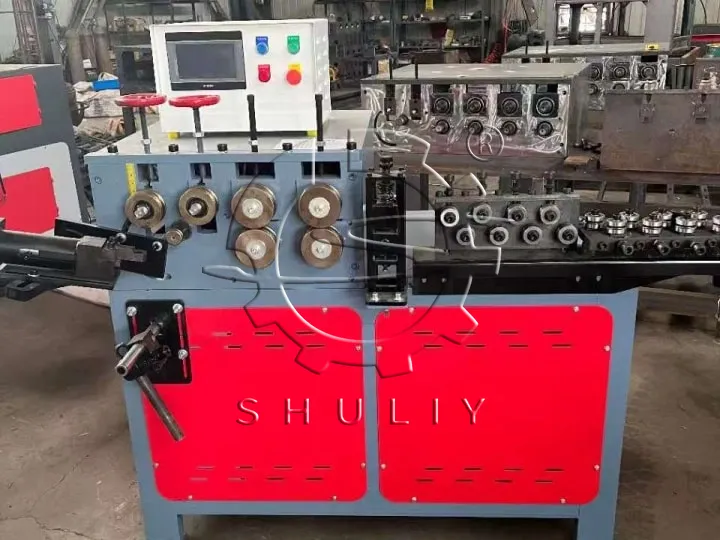
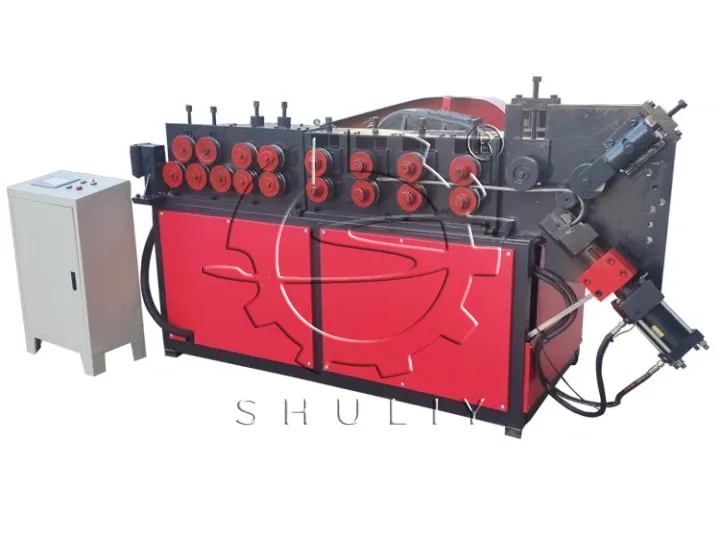
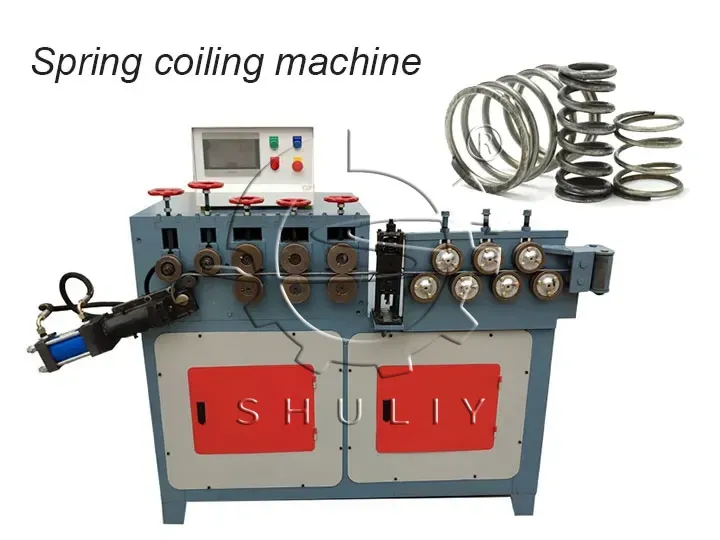
Máquinas de enrolar molas são equipamentos CNC automatizados que integram funções de endireitar, formar e cortar numa única sistema. Estas máquinas especializam-se na produção de vergas em espiral e anéis circulares com precisão excecional (±0,2mm) e altas velocidades de processamento (16-30 metros por minuto). Podem lidar com vergalhões de diâmetro de 3-25mm e produzir anéis finais com diâmetros entre 50-3000mm.
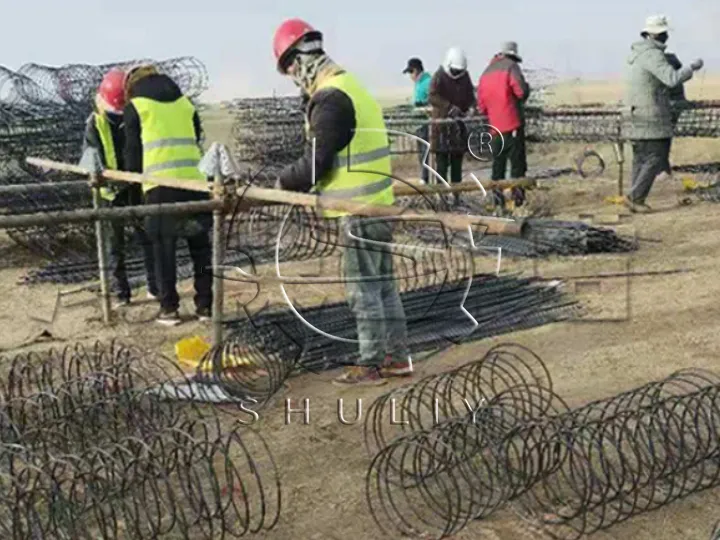
A principal vantagem das máquinas de enrolar molas reside na sua capacidade de produzir formas complexas em espiral automaticamente, com intervenção humana mínima. Esta automação transforma o processamento de vergalhões de uma tarefa laboriosa num processo de fabricação eficiente, ideal para produção em grande volume de componentes de reforço em espiral.
Comparação de Máquinas de Endireitamento de Vergalhões
Máquinas de endireitar vergalhões concentram-se numa função específica: corrigir barras de reforço dobradas ou deformadas. Estas máquinas são essenciais para processar vergalhões de sucata ou preparar matérias-primas para processamento adicional. Ao contrário das máquinas de enrolar molas, as máquinas de endireitar não formam vergalhões em formas específicas, mas sim restauram-nos ao estado de linha reta.
A principal diferença reside na funcionalidade. Máquinas de enrolar molas criam produtos finais em espiral ou circular, enquanto máquinas de endireitar preparam o vergalhão para etapas de processamento subsequentes. Em muitos fluxos de trabalho de processamento de vergalhões, as máquinas de endireitar atuam como uma etapa preliminar antes do vergalhão entrar no processo de enrolar ou dobrar.
Máquinas de endireitar vergalhões normalmente lidam com vergalhões de diâmetro de 6-25mm e podem processar comprimentos de 500-2000mm. São particularmente valiosas para operações de reciclagem onde o vergalhão de sucata precisa de ser endireitado antes de reutilização ou processamento adicional.
| Recurso | Máquina de Enrolamento de Molas | Máquina de Endireitar Vergalhões |
|---|---|---|
| Função Principal | Formação de formas em espiral/circulares | Endireitar vergalhões dobrados |
| Velocidade de Processamento | 16-30 m/min | 20 vezes/operação |
| Precisão | ±0,2mm | Alta precisão de endireitamento |
| Mão de Obra Necessária | 1 operador | 1-2 operadores |
| Produção | Produtos finais em espiral | Vergalhão endireitado para processamento adicional |
Comparação de Máquinas de Dobrar Barras de Aço
Máquinas de dobrar barras de aço concentram-se na criação de várias formas dobradas e ângulos em vergalhões, mas diferem significativamente das máquinas de enrolar molas na sua abordagem e produção. Máquinas de dobra normalmente criam dobras individuais em ângulos específicos, enquanto máquinas de enrolar molas produzem configurações contínuas em espiral.
Os sistemas CNC em máquinas de dobra modernas permitem controlo preciso de ângulos, mas requerem múltiplas operações para criar formas complexas. Máquinas de enrolar molas podem produzir vergas em espiral completas numa única operação contínua, tornando-as mais eficientes na produção de reforço em espiral.
As máquinas de dobrar barras de aço destacam-se na criação de ganchos, U-bends e várias configurações angulares necessárias na construção. São mais versáteis para diferentes aplicações de dobra, mas menos eficientes na produção em grande volume de espirais em comparação com máquinas de enrolar molas.
Considerações de Integração no Fluxo de Trabalho
Compreender como diferentes equipamentos de processamento de vergalhões se integram nos fluxos de produção é essencial para otimizar operações. Em muitos projetos de construção, estas máquinas trabalham em sequência, em vez de como alternativas entre si.
Um fluxo de trabalho típico pode envolver: máquina de endireitar vergalhões → máquina de enrolar molas → produtos finais em espiral. Esta abordagem sequencial garante que o vergalhão seja devidamente preparado antes de formar, maximizando a qualidade e eficiência.
Para projetos que requerem várias configurações de vergalhões, pode ser necessário uma combinação de equipamentos. Máquinas de dobrar barras de aço lidam com dobras angulares e ganchos, enquanto máquinas de enrolar molas especializam-se na produção de espirais. Ter ambos os tipos de equipamento disponíveis oferece máxima flexibilidade para diferentes requisitos de projeto.
Volume de Produção e Eficiência
Ao comparar máquina de enrolar molas vs outros equipamentos de processamento de vergalhões em termos de volume de produção, as máquinas de enrolar molas destacam-se na produção em grande volume de espirais. A sua operação contínua permite processar de 16 a 30 metros de vergalhão por minuto, superando significativamente métodos manuais ou semi-automatizados de dobra.
Para projetos que requerem milhares de vergas em espiral, as máquinas de enrolar molas oferecem produtividade incomparável. O controlo CNC automatizado garante qualidade consistente em todas as séries de produção, reduzindo o risco de variações de qualidade que possam comprometer a integridade estrutural.
No entanto, para projetos que requerem operações de dobra diversificadas em vez de produção massiva de espirais, as máquinas de dobrar barras de aço podem oferecer melhor versatilidade. A escolha depende da combinação específica de configurações de vergalhões exigidas pelo projeto.
Considerações de Custo e Investimento
A comparação de investimento entre máquina de enrolar molas vs outros equipamentos de processamento de vergalhões varia significativamente com base na capacidade e nível de automação. Máquinas de enrolar molas geralmente representam um investimento inicial mais elevado devido aos seus avançados sistemas CNC e funcionalidade integrada.
No entanto, o retorno do investimento pode ser rápido para projetos com altas exigências de vergalhões em espiral. A produtividade aumentada, os custos reduzidos de mão de obra e o desperdício minimizado de materiais contribuem para poupanças significativas a longo prazo que compensam o investimento inicial.
Para operações menores ou projetos com necessidades de dobra diversificadas, investir em múltiplas máquinas especializadas (endireitar e dobrar) pode ser mais económico do que uma única máquina de enrolar molas. A combinação ideal de equipamentos depende da escala do projeto e dos requisitos de processamento de vergalhões.
Escolha do Equipamento Adequado
A decisão entre máquina de enrolar molas vs outros equipamentos de processamento de vergalhões depende de vários fatores-chave. Considere o volume de reforço em espiral necessário, a variedade de formas de vergalhões exigidas e os padrões de precisão que os seus projetos demandam.
Para produção em grande volume de espirais, as máquinas de enrolar molas oferecem vantagens claras em produtividade e consistência. Para projetos que requerem operações de dobra diversificadas, uma combinação de equipamentos especializados pode oferecer melhor flexibilidade. Muitas operações de construção beneficiam de ter ambos os tipos de equipamento disponíveis para lidar com várias necessidades de processamento de vergalhões.
Avalie os requisitos específicos do seu projeto, volumes de produção e padrões de qualidade ao selecionar equipamentos. Considere os benefícios a longo prazo da automação e eficiência face aos custos iniciais para tomar a decisão mais informada para as suas operações de construção.
Para orientação especializada na seleção da máquina de enrolar molas ou outros equipamentos de processamento de vergalhões para os seus projetos, contacte a nossa equipa. Oferecemos consultoria abrangente e soluções personalizadas para ajudar a otimizar o seu fluxo de trabalho de processamento de vergalhões com a combinação de equipamentos mais adequada.