
Selecting the appropriate steel bar straightening equipment is crucial for construction companies and steel processing facilities. With various models available in the market, understanding your specific requirements and matching them with the right equipment can significantly impact your operational efficiency and return on investment.
Why Choosing the Right Model Matters
Investing in a rebar straightener is a significant decision for any business involved in steel construction processing. The right model can:
- Increase processing efficiency by 40-60%
- Reduce labor costs and dependency on skilled workers
- Minimize material waste through precise straightening
- Provide a fast return on investment
Conversely, selecting an unsuitable model can lead to production bottlenecks, increased maintenance costs, and poor-quality output.

Key Factors to Consider
1. Rebar Diameter Range
The most critical factor is matching the machine’s straightening capacity to the rebar sizes you typically process. Different models handle specific diameter ranges:
| Model | Straightening Diameter | Best For |
|---|---|---|
| 6-10 | 6-10mm | Light construction, residential projects |
| 6-14 | 6-14mm | Medium-scale construction, general contractors |
| 8-16 | 8-16mm | Commercial buildings, infrastructure |
| 14-25 | 14-25mm | Heavy industrial, large-scale projects |
Tip: Always choose a model with a diameter range slightly larger than your most common requirements to provide flexibility for varied projects.
2. Processing Capacity Requirements
Evaluate your daily processing volume needs:
- Low volume: Up to 500 bars/day – Model 6-10 or 6-14
- Medium volume: 500-1500 bars/day – Model 8-16
- High volume: Over 1500 bars/day – Model 14-25
Consider not just current needs but projected growth. Investing in a higher-capacity rebar straightening machine model can save future upgrade costs.
3. Straightening Length Requirements
Different projects require different finished lengths. Standard models offer processing lengths of 500-2000mm. If your projects require:
- Shorter lengths (under 1m): Standard models work well
- Variable lengths: Look for models with adjustable stop systems
- Longer bars (over 1.5m): Ensure adequate machine bed length
Comparing Top Rebar Straightener Models
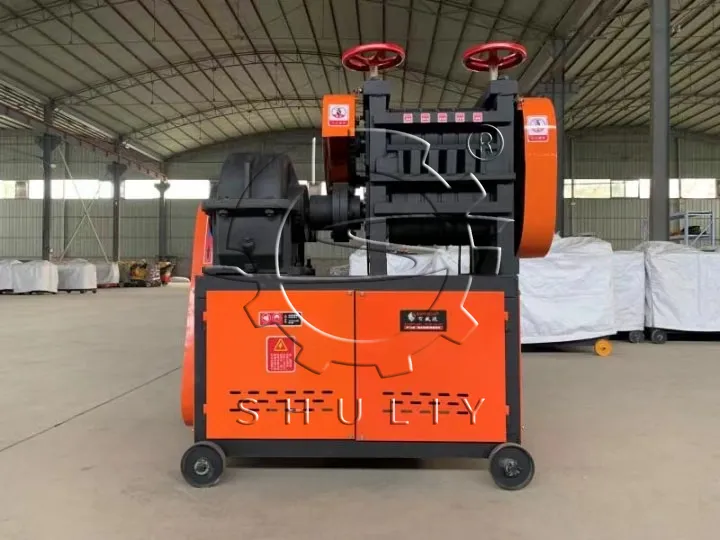
Here’s a comprehensive comparison of the most popular rebar straightener models:
| Specification | Model 6-10 | Model 6-14 | Model 8-16 | Model 14-25 |
|---|---|---|---|---|
| Diameter range | 6-10mm | 6-14mm | 8-16mm | 14-25mm |
| Motor power | 4kw | 5kw | 5kw | 15kw |
| Straightening speed | 20times/min | 20times/min | 20times/min | 20times/min |
| Machine weight | 680kg | 730kg | 780kg | 1200kg |
| Ideal for | Small contractors | Medium contractors | Large contractors | Industrial facilities |
Application-Specific Recommendations
For Construction Demolition Projects:
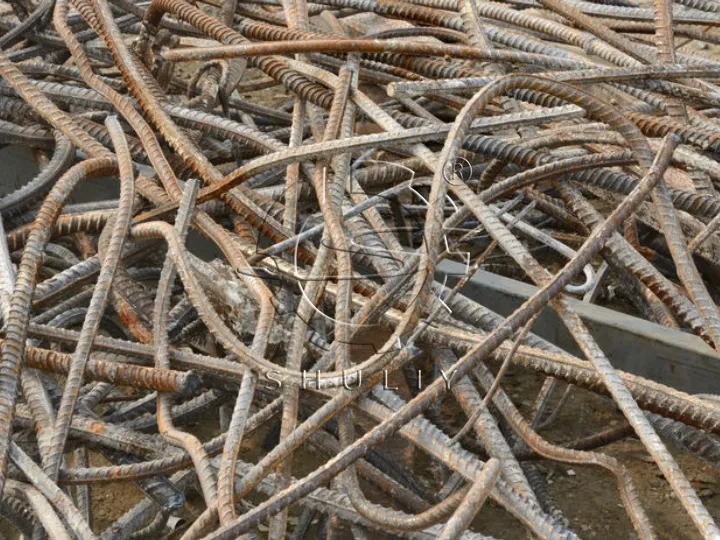
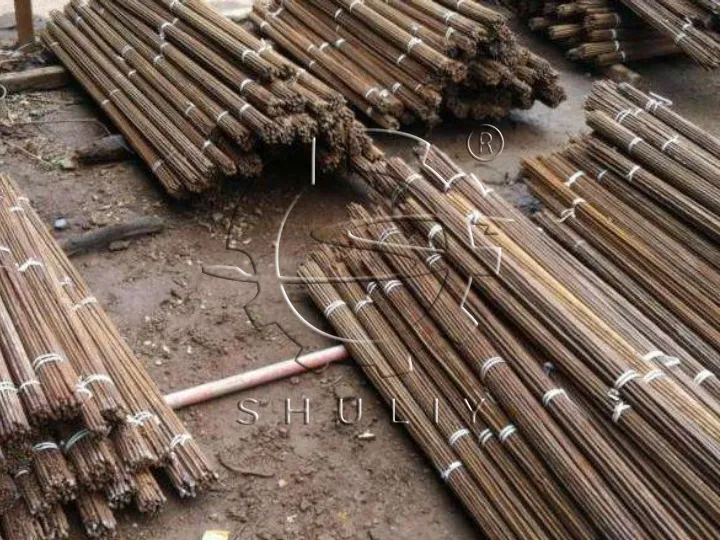
Demolition sites typically generate scrap rebar with varying diameters and conditions. The Model 6-14 or 8-16 is recommended due to their versatility in handling different rebar sizes and their robust construction for continuous operation.
For Steel Processing Plants:
Industrial facilities with high-volume processing needs should consider the Model 14-25. Its higher motor power (15kw) and larger diameter capacity make it suitable for processing thick reinforcement steel bars used in major infrastructure projects.
For Construction Companies:
General contractors working on residential and commercial buildings typically find the Model 6-14 or 8-16 offers the best balance of capacity and cost-effectiveness.
Common Mistakes to Avoid
- Choosing based on lowest price: Cheaper models often have higher maintenance costs and shorter lifespan
- Underestimating volume needs: Consider peak periods and growth projections
- Ignoring power requirements: Ensure your facility can provide adequate electrical supply
- Not considering future needs: A slightly larger model provides flexibility for project diversification

Investment and ROI Considerations
When evaluating the cost of a rebar straightener, consider the total cost of ownership including:
- Initial purchase price
- Installation and setup costs
- Power consumption (varies by motor size)
- Maintenance and spare parts
- Training costs for operators
Most businesses achieve ROI within 6-12 months through labor savings and increased processing capacity.
FAQ
What diameter rebar can a standard straightener handle?
Standard rebar straighteners handle diameters from 6mm to 25mm depending on the model. Smaller models (6-10, 6-14) handle lighter rebar for residential projects, while larger models (14-25) process heavy reinforcement steel for industrial applications.
How do I determine the right model for my needs?
Consider three key factors: 1) The diameter range of rebar you typically process, 2) Your daily volume requirements, and 3) The straightening length needed for your projects. If unsure, consult with an equipment specialist who can analyze your specific requirements.
Can one model handle different rebar diameters?
Yes, most rebar straighteners are designed to handle a range of diameters within their capacity. For example, a Model 6-14 can process rebar from 6mm to 14mm, providing flexibility for varied project requirements.
What is the typical processing speed?
Most rebar straighteners operate at approximately 20 straightening cycles per minute. The actual output depends on bar length and operator experience, but most machines can process 800-1200 bars per shift.
How long does it take to see ROI from a rebar straightener?
Most businesses achieve return on investment within 6-12 months. The exact timeframe depends on your processing volume, labor costs, and the specific model selected. High-volume operations typically see faster ROI.
📩 Need help selecting the right rebar straightener for your specific requirements? Contact our team for a personalized consultation. We can analyze your processing needs and recommend the most suitable model for your operations.