
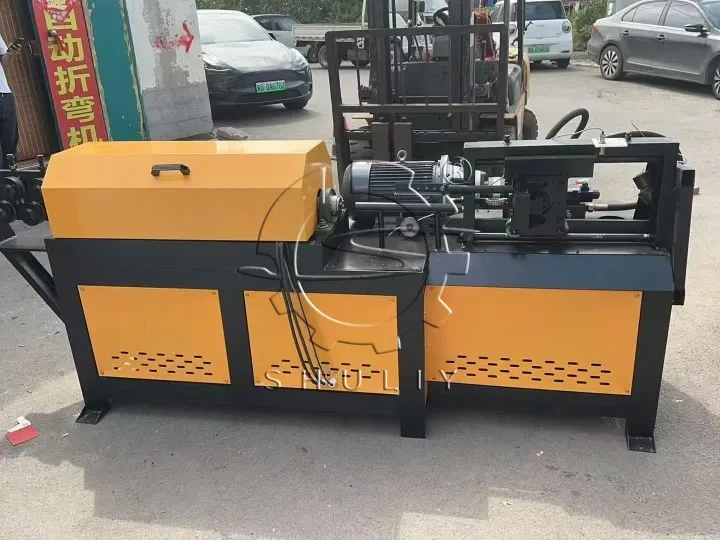
The rebar straightener and cutter machine straightens coiled steel bars and cuts them to preset lengths for construction and steel processing. Before buying one, buyers should check the steel bar diameter, required cutting length, production capacity, straightening accuracy, cutting accuracy, and after-sales support. Choosing a machine based only on price may result in a mismatch with the actual processing requirements.
What bar diameter will you process?
The first thing to confirm is the diameter of the steel bar.
Different rebar straightener and cutter machines are designed for different diameter ranges. A machine suitable for small-diameter wire or rebar may not be suitable for thicker steel bars.
Before contacting a supplier, determine:
- Minimum steel bar diameter
- Maximum steel bar diameter
- Whether you will process one diameter or several sizes
- Whether the material is supplied in coils or straight bars
If several diameters need to be processed, choose a machine whose working range covers the full range instead of selecting a model based only on the most commonly used size.
What cutting length do you need?
Cutting length is another important factor when choosing a rebar straightener and cutter machine.
The required length depends on the final application. Construction projects, precast concrete production, reinforcement processing, and other applications may require different steel bar lengths.
For example, a buyer may need:
- Short fixed-length steel bars
- Long reinforcement bars
- Several preset cutting lengths
- Different lengths for different orders
If the rebar straightening and cutting machine has automatic length setting, operators can adjust the required cutting length according to production needs. Confirm the available length range with the manufacturer before ordering.
How much steel bar do you need to process?
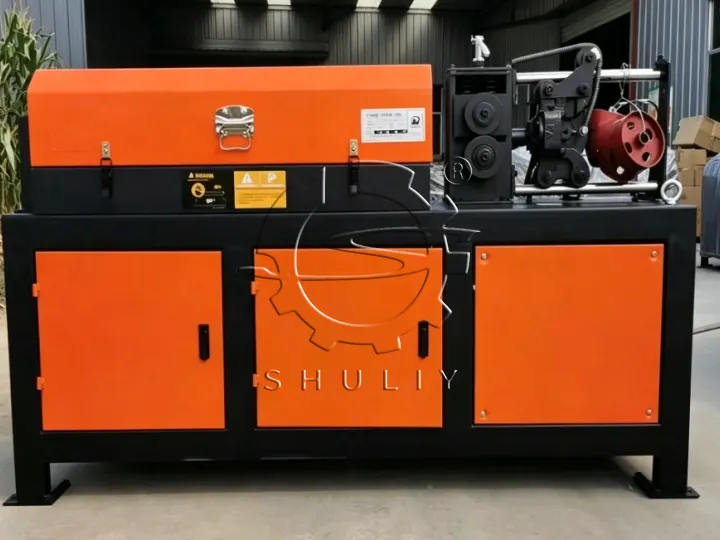
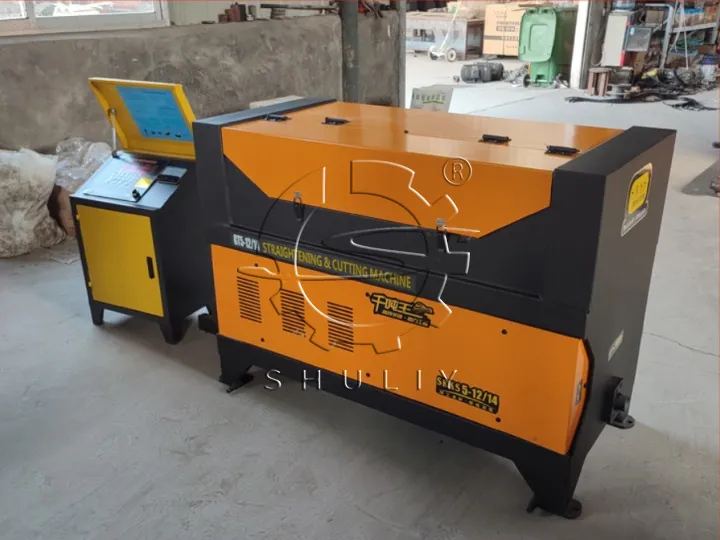
Machine capacity should match your actual production demand.
A rebar straightener and cutter machine with a higher processing speed is not always necessary for a small workshop, while a low-capacity machine may create a bottleneck for a large steel processing business.
When comparing machine capacity, look at more than the advertised maximum speed. Consider:
- Steel bar diameter
- Cutting length
- Straightening speed
- Cutting frequency
- Working hours per day
- Expected daily output
A useful approach is to estimate your required daily processing volume first and then select a machine that can handle that workload.
Check straightening and cutting accuracy
The main purpose of the rebar straightening and cutting machine is not simply to cut steel bars. It must also produce straight and accurately sized bars.
Before purchasing, ask the supplier about:
- Straightening performance
- Cutting length accuracy
- Adjustable cutting length
- Cutting consistency during continuous operation
For applications requiring uniform reinforcement bars, consistent straightening and cutting are particularly important.
What power supply is available at your location?
Electrical requirements should be confirmed before placing an order.
Check your local:
- Voltage
- Frequency
- Single-phase or three-phase power
- Available electrical capacity
For international buyers, this information is particularly important. A rebar straightener and cutter machine configured for one electrical standard may require a different motor or electrical configuration for another country.
Providing the supplier with your local power specifications before ordering can help avoid installation problems.
What after-sales support is available?
After-sales service is another factor that should be considered before buying a steel bar straightening and cutting machine.
Ask whether the supplier provides:
- Installation guidance
- Operation instructions
- Test videos or photos
- Spare parts
- Remote technical support
- Warranty service
For overseas buyers, remote support can be particularly important.
Final thoughts
Choosing a rebar straightener and cutter machine should start with the material and production requirements, not simply the machine price. Steel bar diameter, cutting length, capacity, accuracy, power supply, and after-sales support all affect whether a machine is suitable for your business.
If you are unsure which model to choose, provide the steel bar diameter, required cutting length, expected capacity, and local voltage. We can use these details to recommend a suitable configuration and confirm the machine’s processing performance before purchase.